
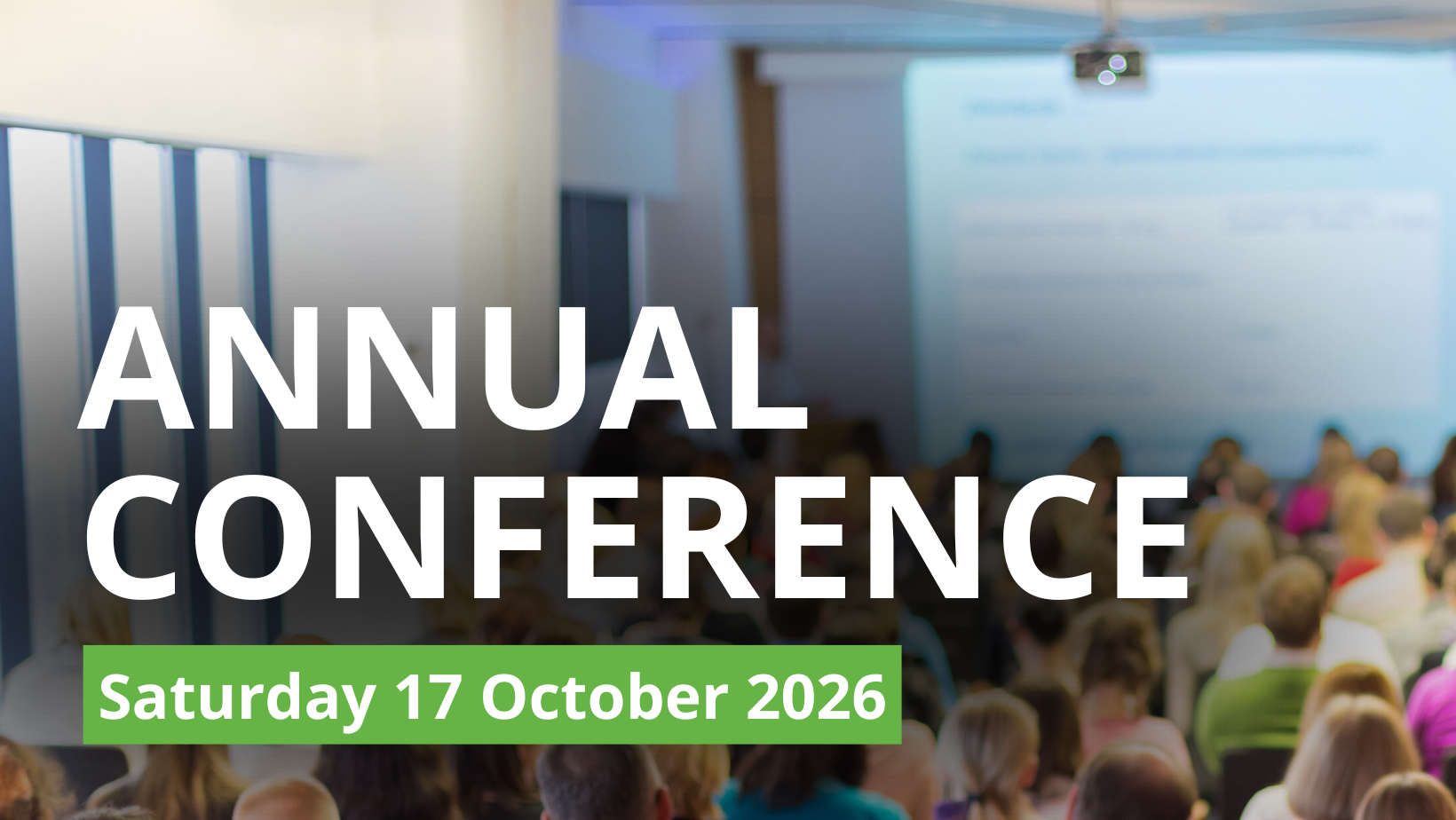
Join us for a day of insight and learning at our Annual Conference on 17th October – created to support Early Years practice across North and West Northants. We have a packed day planned, with brilliant speakers bringing inspirational and informative talks, and practical takeaways.
Q&A Session
This year’s Q&A Session has a theme: Addressing Inclusion as part of Ofsted’s new inspection toolkit.
Our panel, Michelle and Donna from IIST, SEND expert Emma Russell and Rachel from Holbourn House will be on hand to answer any questions about inclusion in the context of Ofsted.
Submit your questions ahead of the conference by emailing info@nimp.org.uk
Keynote Speaker
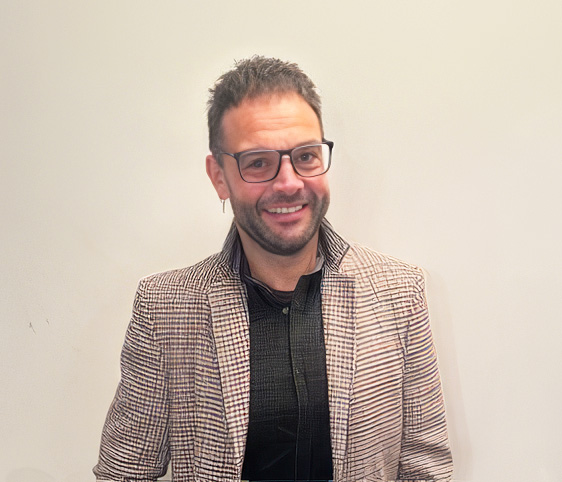
Adam Hayes – Therapeutic Thinking
Website: https://therapeuticthinking.co.uk/
Therapeutic Thinking
At the heart of the session is a simple but powerful idea: all behaviour is communication. We’ll explore what children may be telling us through their actions, and how curiosity can help us uncover barriers to learning and identify unmet needs.
Most importantly, we’ll explore how relationships, curiosity and analysis can create the conditions for every child to feel seen, understood, valued and supported to thrive.
About Adam
Adam has extensive experience in both Social Care and Education, both mainstream and SEND, having worked across the full range of ages and stages of education.
He joined Therapeutic Thinking Ltd. from his role with Hertfordshire County Council, during which time he held a range of roles including Area Manager for Integrated Services for Learning, County Inclusion Lead, Behaviour Advisor and Hertfordshire Therapeutic Thinking County Lead.
Adam has a solution-focused approach which ensures that young people are at the centre of all that he does. This child centred work has been positively recognised by the stakeholders he works with. Adam has become the managing director of Therapeutic Thinking and as such is taking this positive, well considered approach forward and sharing it more widely with Local Authorities, Trusts and standalone schools.
Workshops
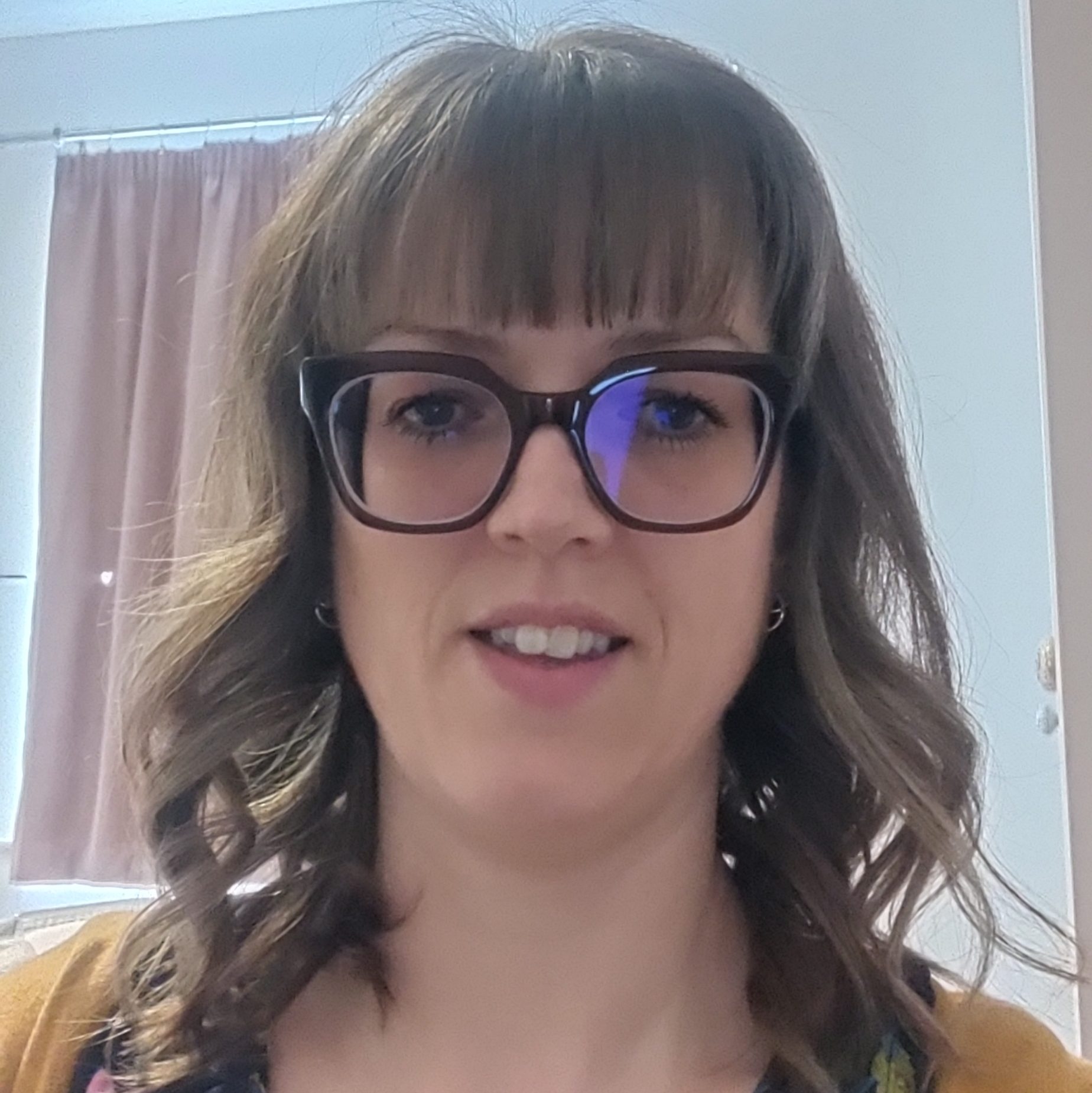
Racheal Gartland – Blossom OT
Sensory Processing in Early Years
An interactive session to explore an overview of sensory processing in early years. The sessions will explore an introduction to the 8 sensory systems and how these can be used to support learning and development. Practitioners will leave with a basic understanding of sensory processing, how they can support children within their setting and an overview of regulation including early years sensory circuits.
About Rachael
Rachael qualified as an occupational therapist in 2010 and has worked in the paediatrics field, setting up her independent practice in 2017 which she has developed into a small ‘hand-picked’ team of specialist who share her ethos and commitment to providing quality support for children.
She is passionate about working with children, believes early intervention is important and finds it incredibly rewarding to support children to achieve daily tasks that others may take for granted.
Clinical areas of interest:
- Trauma and attachment
- Sensory processing
- Autism, specifically female presentation
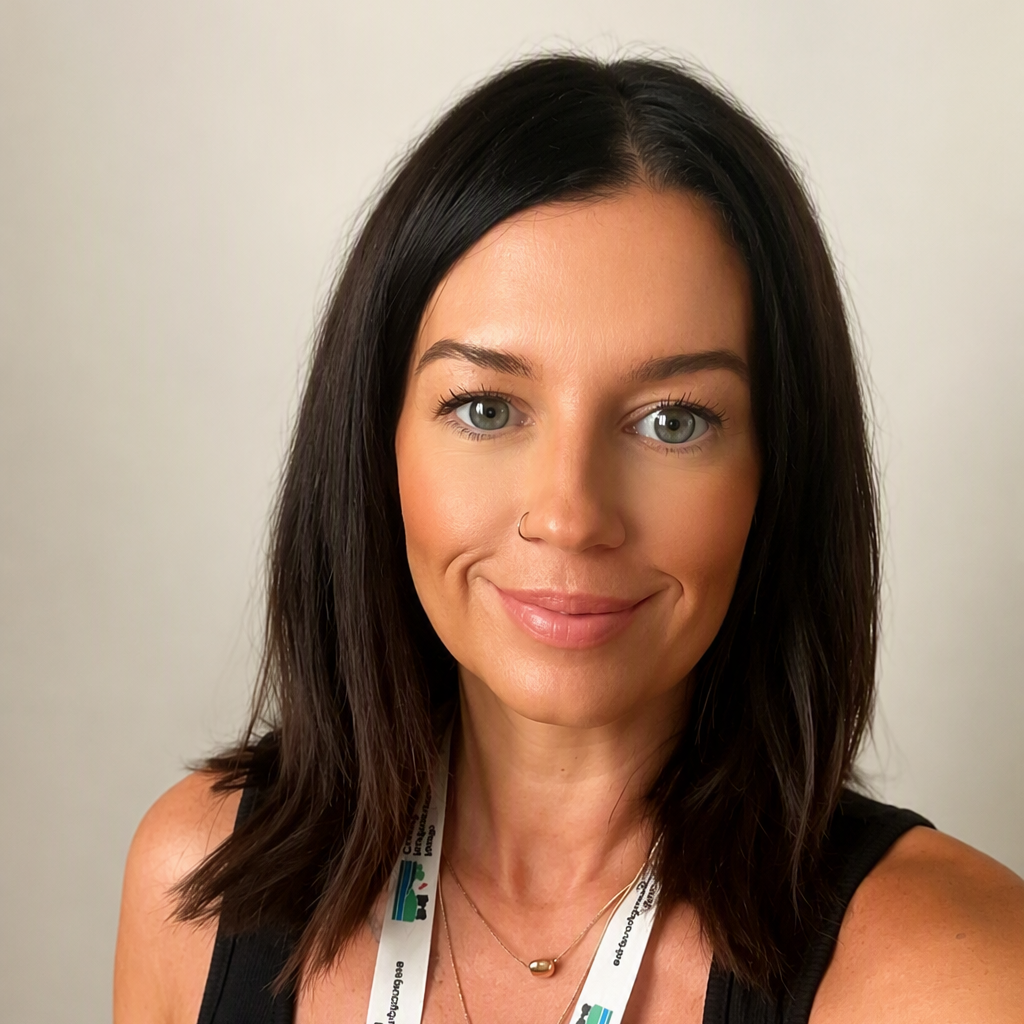
Amy Devine – Pen Green
Website: https://www.pengreen.org/
A Celebratory Approach to SEND Assessment in Early Years
This presentation explores how assessment can become a meaningful, strengths-based process that celebrates children’s unique ways of learning, rather than focusing primarily on deficits or labels. Drawing on Pen Green’s A Celebratory Approach to Working with Children with SEND, the session will challenge practitioners to rethink assessment as an ongoing process of understanding children, recognising their competencies and planning responsive, ambitious learning experiences.
Rather than waiting for a diagnosis before taking action, participants will consider the importance of early identification, timely intervention and high aspirations for every child. The presentation will emphasise that inclusion is a right, not a privilege, and that meaningful assessment begins with getting to know the whole child – their interests, motivations, relationships and ways of communicating.
About Amy
I pride myself on understanding SEND policy both locally and nationally and taking the time to ensure families are supported to understand policies and procedures that are relevant to them. I whole heartedly believe families need and have a right to know what is available to them and how to access what is out there. I am passionate about Early Intervention and the difference this makes. My main aim is to get it right for children and their families and finding a way to be inclusive for all children regardless of their need, or any barriers or challenges we might face.
Through the years of working with children with SEND I have had to become very solution focused. Often things may feel impossible or unmanageable this has meant I have had to be dynamic and flexible in my approach.
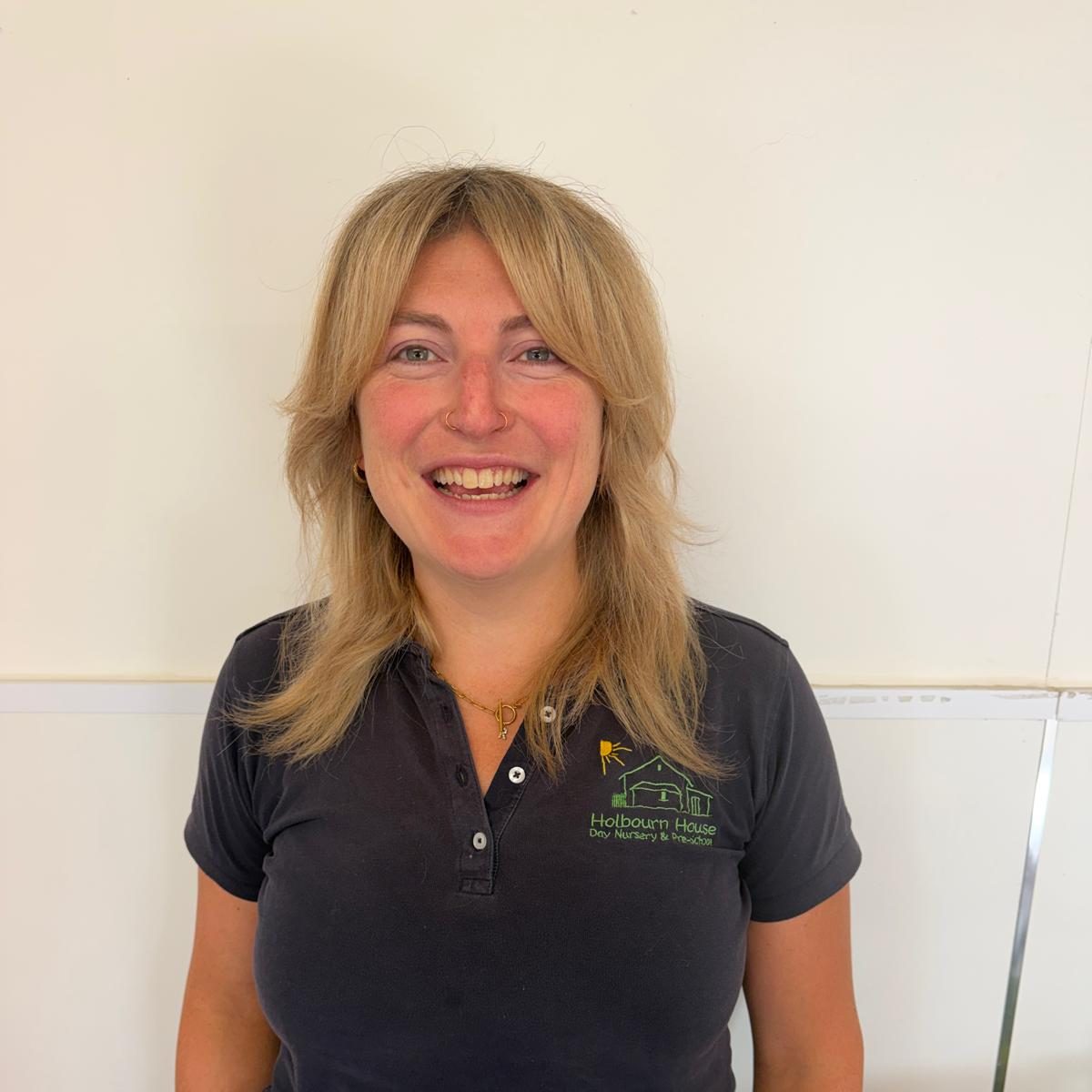
Rachel Martin – Holbourn House
Website: https://holbournhouse.co.uk
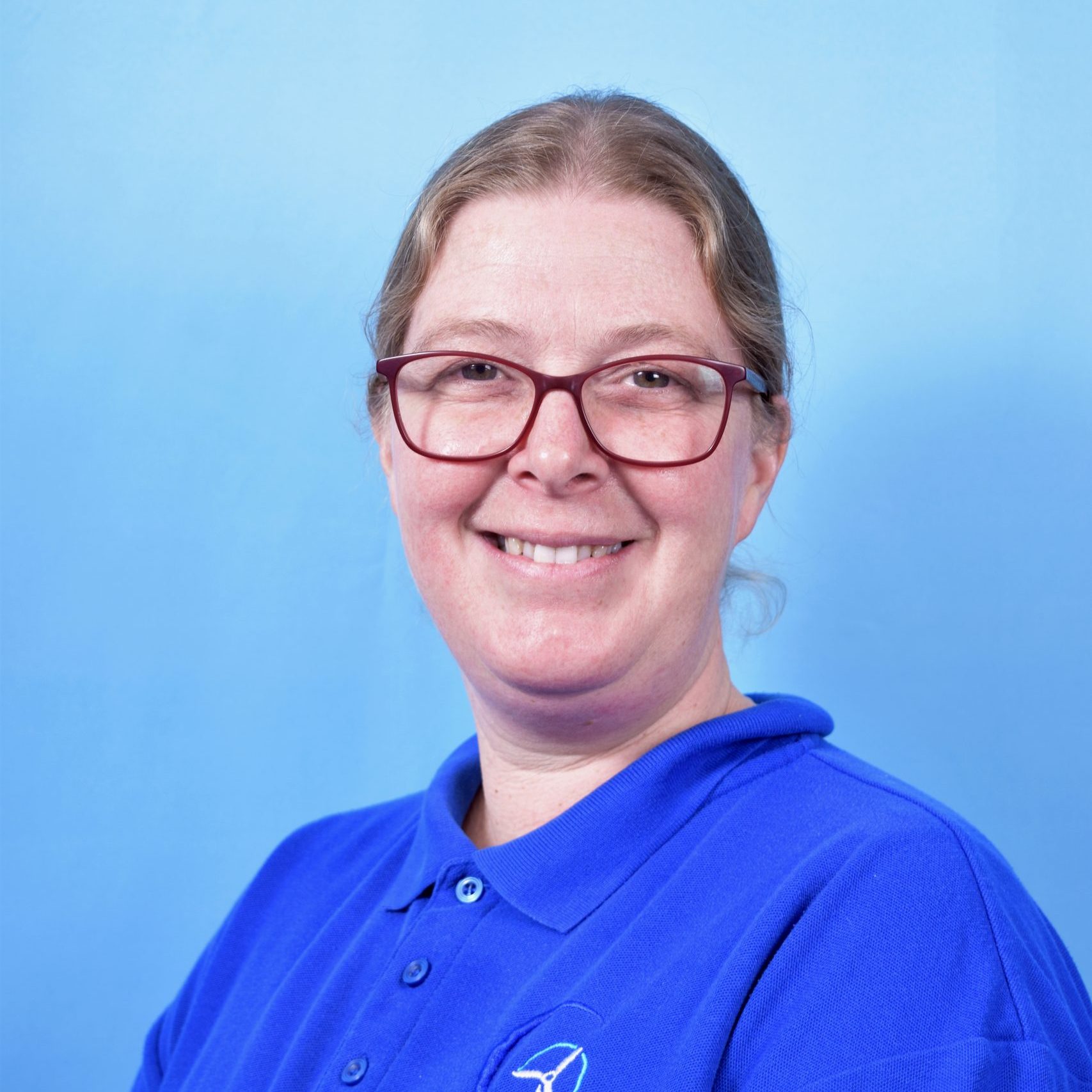
Nicky Cooke – Caister Infants
Website: https://c2cfed.org/
Intergenerational and Mixed-Age Practice
This session combines two approaches to deliver thought-provoking alternatives to age-based development.
Intergenerational and mixed-age practice takes the principles of family dynamics – grandparents, parents and children of varied ages learning from each other – and applies it to Early Years.
Research shows that spending time amongst a mixed age group of people can increase life-expectancy and maintain cognitive function and mental health in the elderly. For younger children, they develop broader socials skills, such as empathy and acceptance alongside increased language and communication skills. The same can be observed in younger children learning with older children within the same setting.
Above all, the companionable relationships that form across the age groups is incredibly special and helps improve wellbeing for all involved.
About Rachel
Rachel has been in Early Years since 2007 starting as an apprentice at Holbourn House and now manages the nursery which offers a unique free-flow and mixed-age provision, alongside it’s own forest school.
She is passionate about innovative and inclusive practices that support children’s individual journeys rather than age-based milestones.
Through her collaborative leadership and mixed-age learning approach, she aims to ensure every child has the best start in life.
About Nicky
Nicky has been working as an Early Years Educator for the past 22 years, across private day care, nannying for a family of twins, and for the last 18 years, managing a school-based nursery.
In 2021, keen to develop her practice and knowledge, she returned to education, becoming a student with Pen Green. Through her studies in Early Childhood Education to Master’s Level, she developed an interest in the impact of Intergenerational Practice and as a result, her setting has been running a weekly project with their local care home for the past four years.
Through a lottery-funded project with the charity, Generation All, her team have also developed a toolkit to support other settings and organisations to implement their own intergeneration projects.
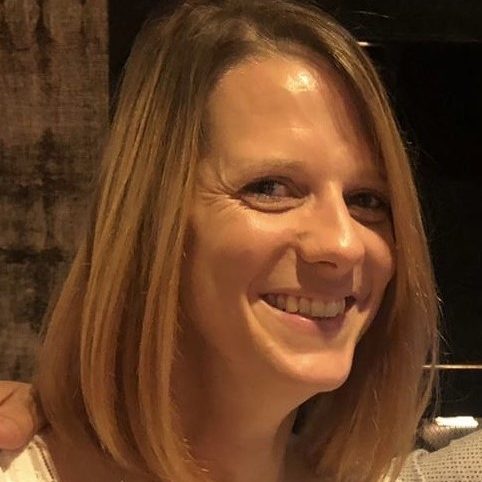
Michelle Payne – IIST
Website: https://www.westnorthants.gov.uk/inclusion-and-intervention-support-team-iist
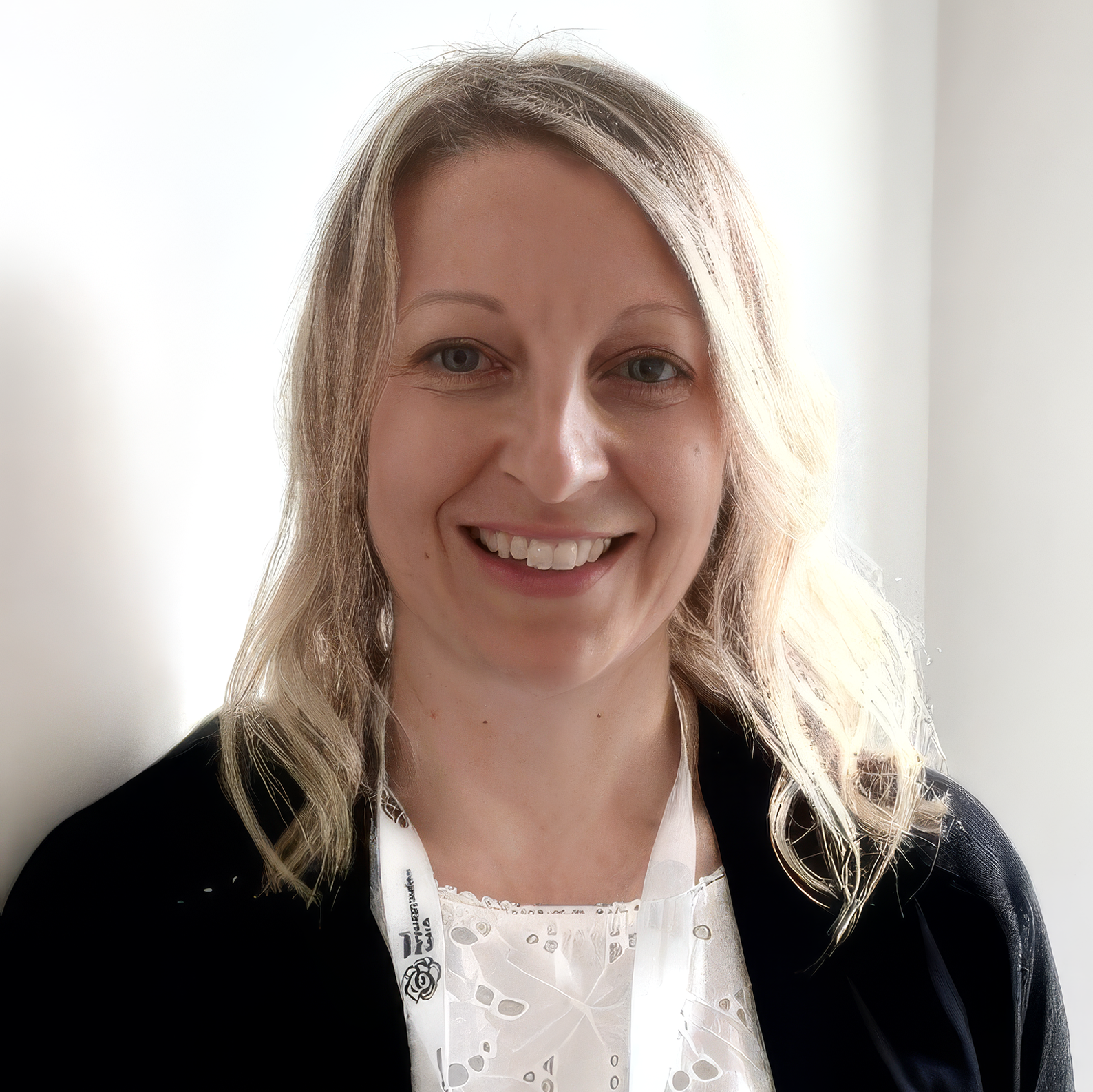
Donna Khan – IIST
Website: https://www.westnorthants.gov.uk/portage-and-early-years
Writing Effective SMART Targets in Early Years
This practical and interactive workshop will explore how Early Years practitioners can develop meaningful SMART targets that support children’s progress and strengthen inclusive practice.
Drawing on the Assess, Plan, Do, Review (APDR) process, Michelle Payne and Donna Khan will share practical guidance on creating targets that are specific, measurable and achievable, while remaining relevant to each child’s individual needs and developmental stage.
Using real-life examples and collaborative activities, delegates will reflect on common challenges when setting targets, learn how to refine vague outcomes into effective SMART targets, and consider adaptations for children with a range of SEND needs. Participants will leave with practical tools and strategies that can be used immediately within their own settings to support consistent assessment, planning and review.
About Michelle
Michelle Payne is the IIST Team Manager for Early Years, supporting practitioners, settings and families across West Northamptonshire to develop inclusive practice for young children with Special Educational Needs and Disabilities (SEND).
Michelle has extensive experience in Early Years, inclusion and works closely with practitioners to strengthen assessment, planning and intervention through approaches such as Assess, Plan, Do, Review (APDR). She is passionate about helping practitioners build confidence in identifying meaningful next steps for children and translating these into practical strategies that support positive outcomes.
About Donna
Donna Khan is a Senior SEND Practitioner with extensive experience supporting children with SEND and their families within Early Years services. Through direct work with children, families and settings, Donna helps practitioners develop effective strategies to support communication, learning, independence and inclusion.
She has particular expertise in creating child-centred targets that reflect individual strengths, interests and developmental needs, ensuring that progress can be clearly monitored and celebrated.

Mel Shepherd – Nursery Nook
Website: https://www.nurserynook.co.uk/
Loose Parts Play
This practical session explores how Loose Parts can become a meaningful and manageable part of everyday provision, rather than simply a collection of interesting objects!
We’ll look at what Loose Parts play really means and how open-ended resources can support children’s imagination, creativity, problem-solving and critical thinking. The session will offer practical strategies for introducing Loose Parts, developing your environment over time and embedding them naturally into children’s everyday play.
We’ll also explore how to work with children’s natural play instincts, creating environments that work with the grain of how children naturally explore, combine, transport, construct and create.
Alongside the possibilities, we’ll consider the practicalities too, including managing risk, making appropriate decisions around resources and supporting children to explore with confidence and increasing independence.
You’ll leave with realistic ideas that can be adapted to your own provision, whether you’re just beginning your Loose Parts journey or looking to develop what you already offer.’
About Mel
From a young age, Mel knew her calling was to work with children, and she found her true passion in Early Years education while specialising during her teaching degree. Over the past 15 years, she has had the privilege of working in various roles – from Practitioner to Head of Quality and Childcare for a nursery group – across a wide range of settings.
What drives her is the belief that every child should be seen as an individual, celebrated for their unique strengths, and supported in their growth and development. Mel is dedicated to helping teams, from practitioners to leaders, bring this vision to life, ensuring that every child receives the best possible start.
I also have a strong commitment to team wellbeing. The Early Years environment can be both challenging and rewarding, and I firmly believe that prioritising the wellbeing of our educators is essential. It brings me immense joy to work alongside passionate individuals, celebrating their enthusiasm and dedication as we strive together to create nurturing settings for children.
“I feel the conference provided great information and lots of tools to take back and share with my team.”
“I loved the conference, lots of information given out. It’s a very friendly group and lovely to be able to network too.”
“The topics covered made me think about alternative ways to support children and how I can manage situations in the future differently.”
“It was great to hear about different strategies to support children’s needs – giving me lots of ideas to try out within my own setting.”